
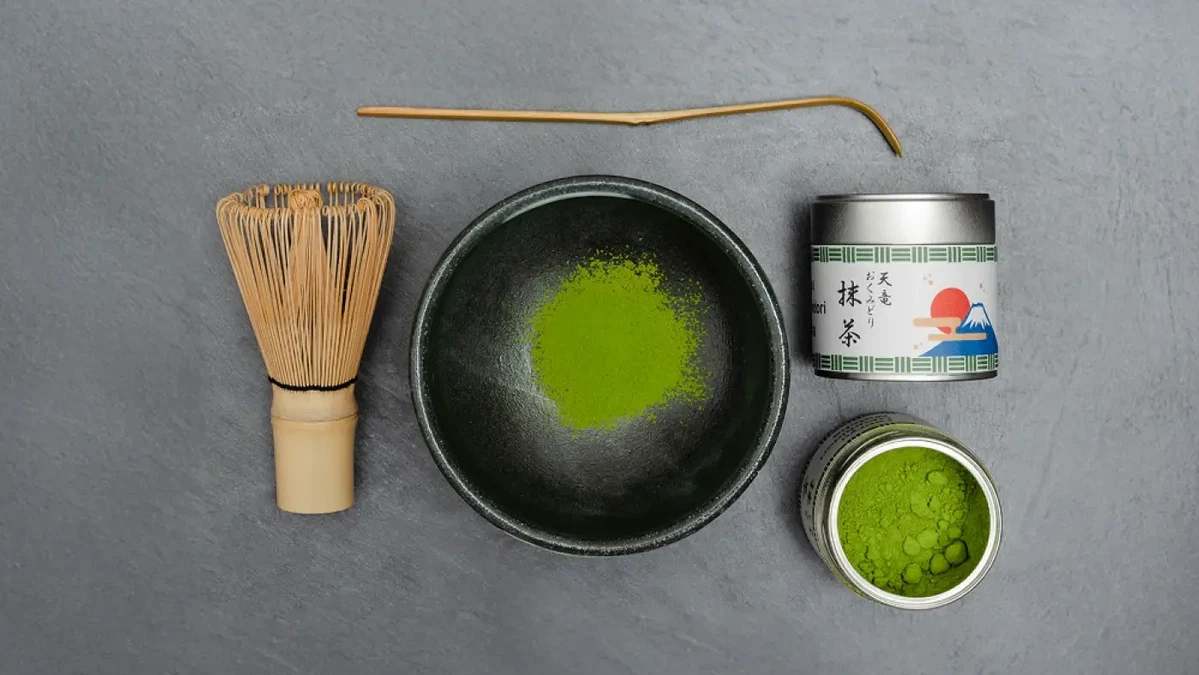
Traditional Matcha Tools for the Tea Ceremony
Preparing ceremonial-grade matcha is as much about the ritual as it is about the flavor.
At the heart of this tradition are three essential utensils: the bamboo whisk (chasen) to create that signature froth, the matcha bowl (chawan) where the tea is prepared and enjoyed, and the bamboo scoop (chashaku) used to measure the perfect serving of matcha powder.
Together, they form the foundation of an authentic tea ceremony experience.
To refine the preparation further, a matcha sifter (furui) ensures the powder is silky smooth before whisking, while a natsume or chaire (ceremonial tea caddy) preserves the tea’s freshness and purity.
These tools are not just practical, they embody centuries of Japanese craftsmanship and tradition, turning the simple act of making tea into a mindful and elevated ritual.
No bamboo whisk? No problem!
No chasen? No stress! While a traditional bamboo whisk is ideal for that creamy matcha froth, it’s absolutely possible to prepare matcha without one and still enjoy a delicious cup.
If you’re just starting out and don’t yet have the full set of tools, there are a few clever ways to make matcha using everyday kitchen items. A milk frother is by far the best backup option, giving you that signature foam with minimal effort. If you're more of a minimalist, even a mason jar or a blender can do the trick, just make sure to sift your powder first to avoid clumps!
Of course, nothing beats the satisfying ritual and smooth texture you get with a proper chasen. But if you’re not ready to commit, don’t worry we’ve broken down 5 practical alternatives to the matcha whisk in this step-by-step guide video below.👇
So go ahead, whisk or no whisk, you can still enjoy the matcha magic.
Viral Youtube Video: How to Make Matcha Without a Whisk
Whisking Matcha 101
Whisking isn’t just about mixing, it’s what transforms your matcha into a creamy, frothy delight.
To do it right, you’ll need a bamboo whisk (chasen) and a bit of technique.
Start by soaking your whisk in warm water to soften the bristles and prevent breakage.
Then, once your matcha powder and water are in the bowl, gently scrape the sides to combine everything.
From there, whisk vigorously in a “W” or zigzag motion using your wrist, not your arm, until a smooth foam forms on top. That’s when you know it’s ready.
Proper whisking not only improves the texture but also helps unlock matcha’s full flavor potential.
How to prepare the 4 types of matcha
#1 Koicha style
For special tea ceremonies, the tea master will prepare koicha or thick tea. This is made with double the amount of powder and half the amount of water. If you want to learn how to prepare matcha at home, you can use 2 teaspoons of powder and 40ml of water.
Just make sure to only use the finest matcha powder, otherwise the flavor will be extremely intense. If you want to learn more, you can read our article here all about koicha matcha.
So how do you prepare matcha during the Japanese tea ceremony? It depends on the type of tea ceremony, but you can make either koicha (thick matcha) or usucha (thin matcha).
Just be aware that learning how to prepare matcha in the tea ceremony style can take years to master, as there are many rules.
#2 Usucha style
One part of how to prepare matcha tea is making usucha, or thin matcha, which is prepared in a more informal tea ceremony setting. For this, the tea master will draw 2 scoops out of the natsume and use about half a hishaku of water.
When it comes to how to make matcha at home, you can use two scoops of powder and about ⅓ cup of water.
If you’re curious how this thin style compares to the richer, more intense koicha preparation, be sure to check out our guide 👉 Koicha vs Usucha – The Ultimate Matcha Matchup to see which style suits your taste best.
#3 Normal Matcha
If you’re not preparing matcha as part of a formal tea ceremony, you can still enjoy it every day in a simpler way. Normal matcha is made with 1 teaspoon (about 2 grams) of ceremonial-grade powder and 70–100ml of hot water (around 60–80°C / 170–175°F).
#4 Matcha Latte
For those who prefer something creamier, the matcha latte is the most popular way to enjoy matcha outside Japan. To prepare it, start with 1–2 teaspoons of matcha powder, sifted into a bowl, and whisk with a small amount of hot water until smooth and frothy.
In a separate cup, heat 150–200ml of milk (dairy or plant-based alternatives both work well) and froth it for a creamy texture. Pour the milk over your matcha base, then sweeten to taste with honey, agave, or sugar. The result is a rich, velvety drink where the grassy notes of matcha meet the smooth sweetness of milk, the perfect everyday indulgence that’s both energizing and comforting.
4 Tips to Get Tea Ceremony-Quality Matcha at Home
Now that we’ve covered the basics of how to make matcha, let’s go a little more in-depth and find out how do you make matcha tea taste even better!
These tips only require a little extra time, and they will add a more premium touch to the matcha you make.
#1 Choosing the matcha powder
If you want to learn how to make matcha taste better, there is no more important step than choosing the right matcha powder. After tasting hundreds of different matchas, it’s become clear to us that you can’t turn bad powder into a good matcha.
If you want to try some of the best matcha teas we’ve found during our travels around Japan, you can browse our selection on the website!
#2 Preheating the Bowl
Who likes a lukewarm matcha? Nobody. If you want to learn how to make matcha the perfect temperature, you’ll need to master the art of preheating the matcha bowl. These bowls are made out of thick clay and they absorb heat quickly.
If you add some of the hot water to the bowl, let it sit for 1 minute and then pour it out, you will have a nice warm matcha bowl to start out with! This is a key trick when it comes to how to make matcha stay warm, and it can even keep your hands warm.
#3 Soaking the Whisk
Soaking the whisk is another great touch. These bamboo matcha whisks can be incredibly fragile, especially when dry. While you are preheating your bowl, just stick the bamboo whisk in the water and let it soak for one minute.
This makes the whisk more pliable and less likely to break. While it’s rare, the whisk does occasionally break and a tiny piece of wood can end up in your matcha.
#4 Sifting the Powder
The clumps that form in matcha are usually fixed during the paste stage, but if you really want to learn how do you make matcha super smooth, this can be a nice added step.
Just position your sifter or Furui on top of the matcha bowl and add the powder in. Then you can gently push the powder through the sifter using your chashaku or bamboo spoon. Once you have a finely sifted layer of powder at the bottom of the matcha bowl, you are ready to add the water.
Comments (0)
There are no comments for this article. Be the first one to leave a message!