
Mugicha
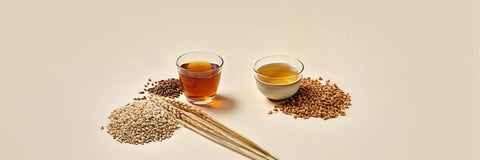
Mugicha and sobacha look similar but taste very different. Learn how barley tea and buckwheat tea compare on flavor, nutrition, and when to choose each.

Wondering what does mugicha taste like? Explore the toasty, nutty roasted barley flavor of this caffeine-free Japanese drink, served hot or cold.
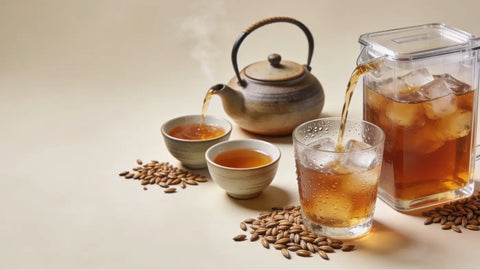
Learn how to brew mugicha using cold brew and hot brew methods. Get the right ratio, avoid common mistakes, and make barley tea taste its best every time.

Mugicha vs hojicha: both are roasted Japanese drinks, but they differ in source, caffeine, and flavor. Find out which one suits your daily routine.

Wondering about mugicha pregnancy safety? Learn why barley tea is caffeine-free, what minerals it contains, and who should be cautious before drinking it.

Discover mugicha nutrition facts: what calories, minerals, and antioxidants barley tea contains, and how it compares to green tea and sugary soft drinks.

Mugicha pronunciation is moo-gee-cha and the kanji 麦茶 translates as barley tea. Learn what each character means and how the name describes the drink.

Is mugicha gluten-free? No. Made from roasted barley, it contains gluten and is unsafe for celiac disease. Learn safe alternatives to try instead.

Discover mugicha tea benefits from hydration to heart health. Learn what roasted barley delivers, who should avoid it, and how it compares to other drinks.